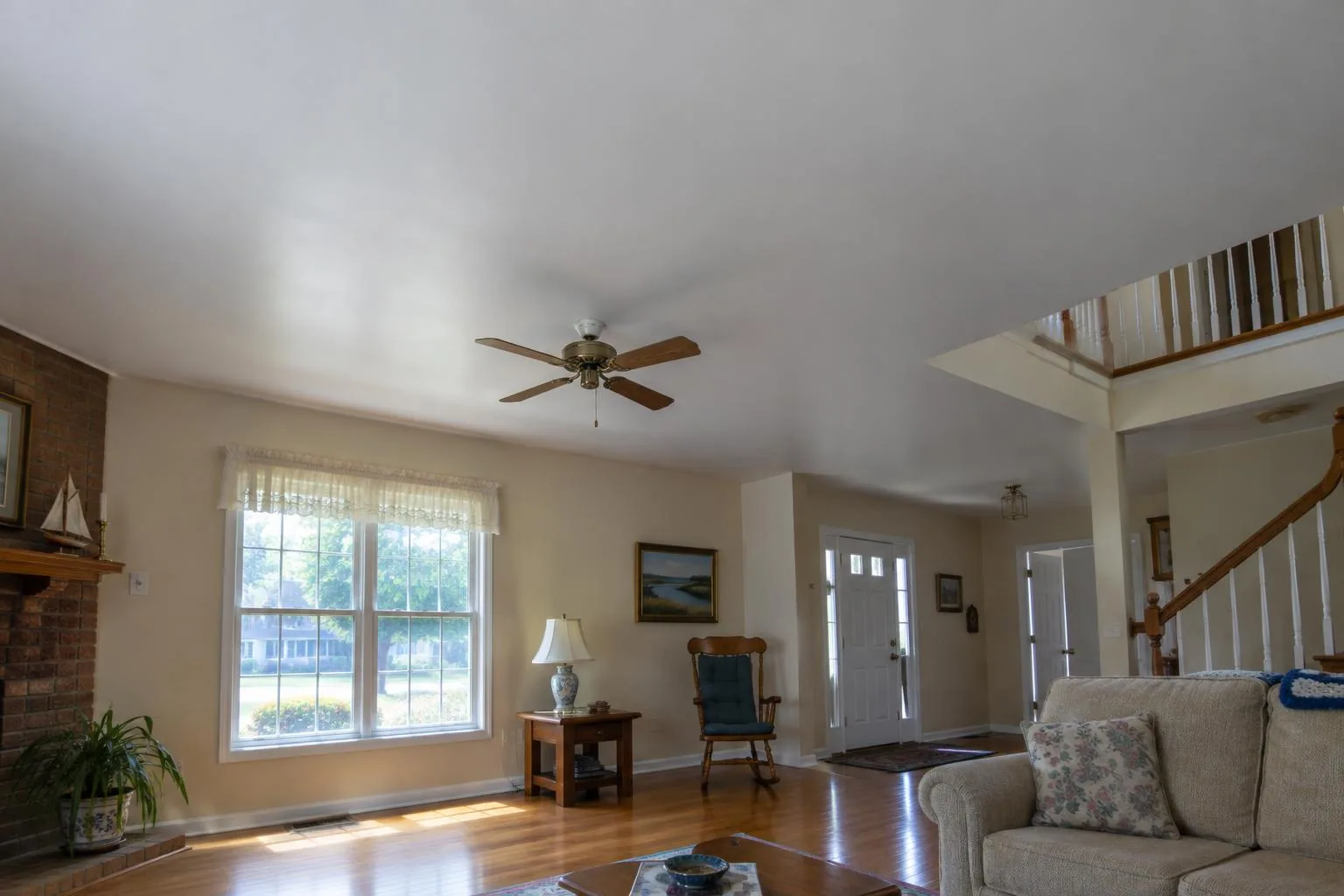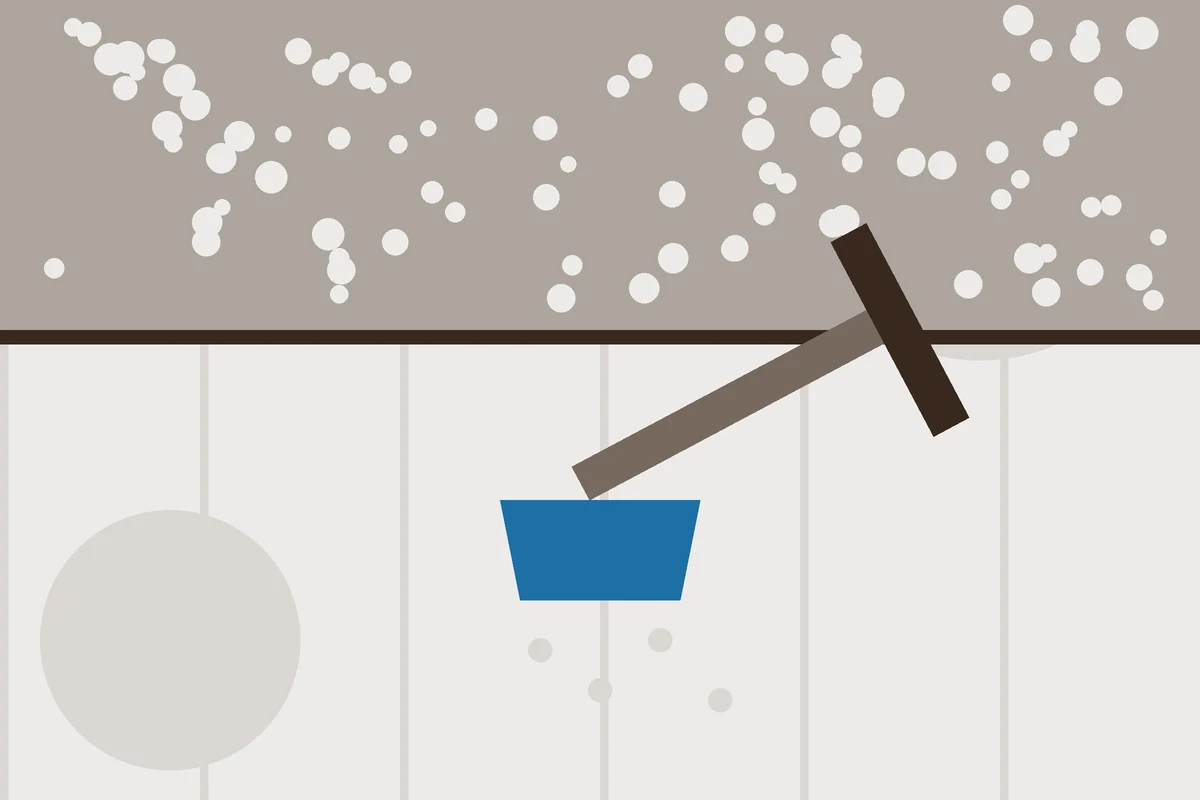
Unpainted popcorn softens when it is wet, so the ceiling is misted with a pump sprayer, left to soak and scraped off in wide passes. The board underneath is never ready for paint after scraping alone. Gouges, old tape seams and nail heads show up as soon as the texture is gone, and each one is filled before the skim coat. One average room takes 1 to 2 days from masking to a sanded ceiling. Acoustic ceiling removal and stipple ceiling removal follow the same steps.
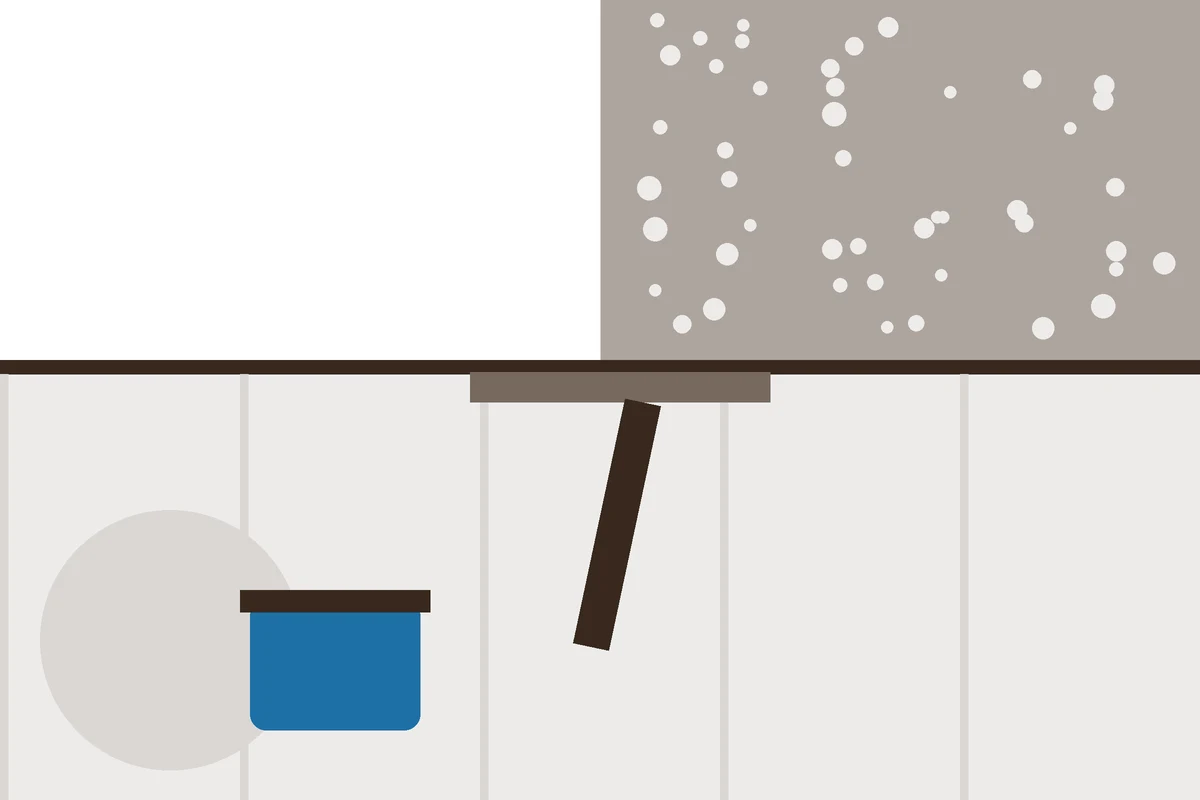
A skim coat is a thin layer of joint compound pulled across the whole ceiling with a wide blade. Two coats turn scraped board into a smooth ceiling finish, and each coat dries before the next one goes on. A Level 5 finish skims the entire surface, which matters under gloss paint, dark colors and rooms where window light rakes across the ceiling. Sanding is done with a vacuum sander so the dust is caught at the head instead of drifting through the house.
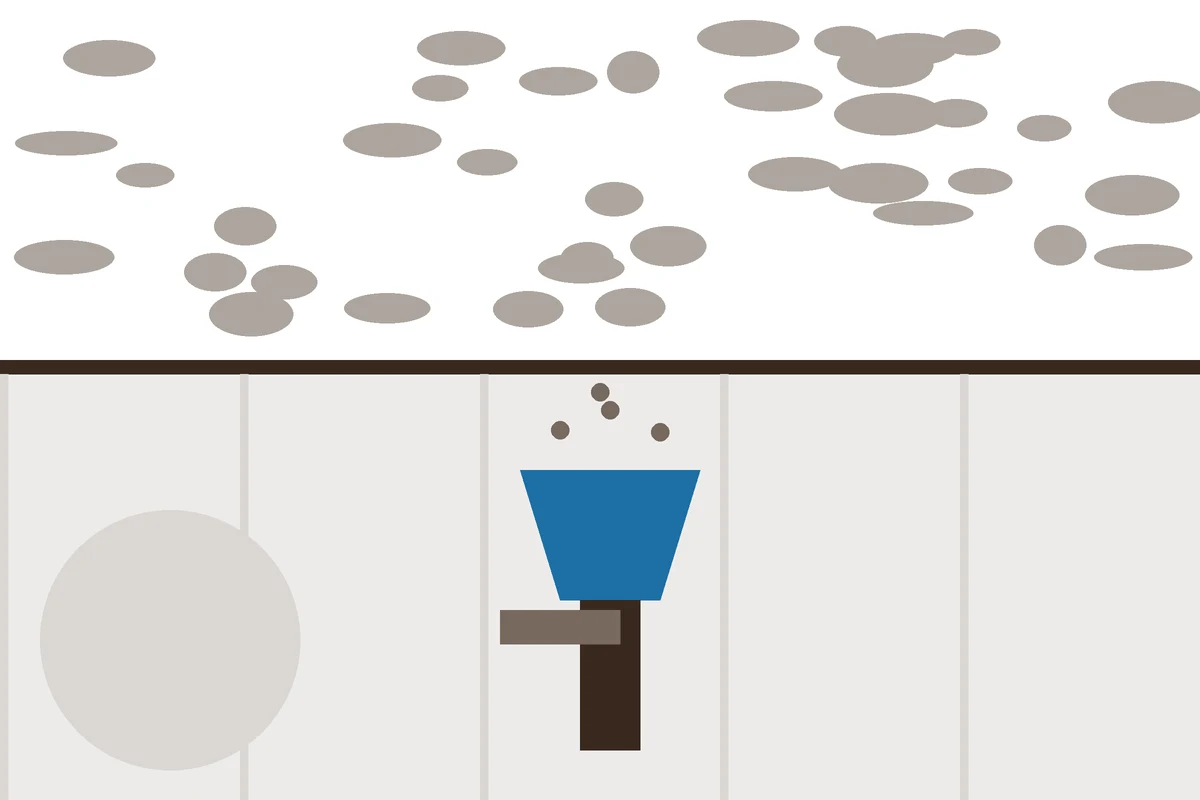
Not every owner wants a flat ceiling. Knockdown is sprayed on in splatters and flattened with a blade once it starts to set, which leaves low, wide islands of texture. Orange peel is a finer spray that hides minor flaws in older board. Either one can replace popcorn in a single room or match the ceilings in the rest of the house, so a repaired room does not stand out from the hallway beside it. The spray pattern is tested on a board first, because pressure and compound thickness change the look.
Painted Popcorn Ceiling Removal
Paint seals popcorn so water cannot soak in, and a sealed ceiling will not scrape the way a raw one does. We test a small patch first. Some painted ceilings still release with longer soaking and a sharper blade. Others are sanded down and skimmed over, or covered with new board. Painted popcorn takes more labor than unpainted texture, and the estimate says which method your ceiling needs before you agree to anything. Kitchens and baths are the rooms most often painted, since owners rolled over stains there years ago.
Ceiling Drywall Repair
Popcorn texture hides ceiling damage until the day it is scraped off. Cracks along a taped seam, a sagging panel, a stain from a roof or bathroom leak and popped nail heads all show once the popcorn is gone. We retape the seam, screw loose board back to the joists or cut out the damaged section and hang new board. The leak itself has to be fixed first, since new compound over a wet ceiling fails. Repairs are finished to the same level as the surrounding ceiling, so the patch cannot be found after paint.
Ceiling Painting
Fresh compound drinks paint unevenly, so a skimmed ceiling is primed before any color goes on. Stained areas get a stain-blocking primer so the old ring does not bleed back through. Two coats of flat ceiling paint follow, cut in at the walls and rolled in one direction. A flat sheen hides small waves that a shinier paint would show. Lights, vents and fans are masked or taken down first and put back when the paint is dry.